When winter arrives, your roof becomes the first line of defense against harsh weather conditions. Snow, ice, freezing rain, and fluctuating temperatures can take a serious toll on traditional roofing materials. That’s why more homeowners are turning to metal roofing as a long-term solution. Metal roofs consistently outperform asphalt shingles and other materials when it comes to winter durability, safety, and efficiency.
Here’s why metal roofs are widely considered the best option for winter weather.
1. Snow Sheds Easily from Metal Roofs
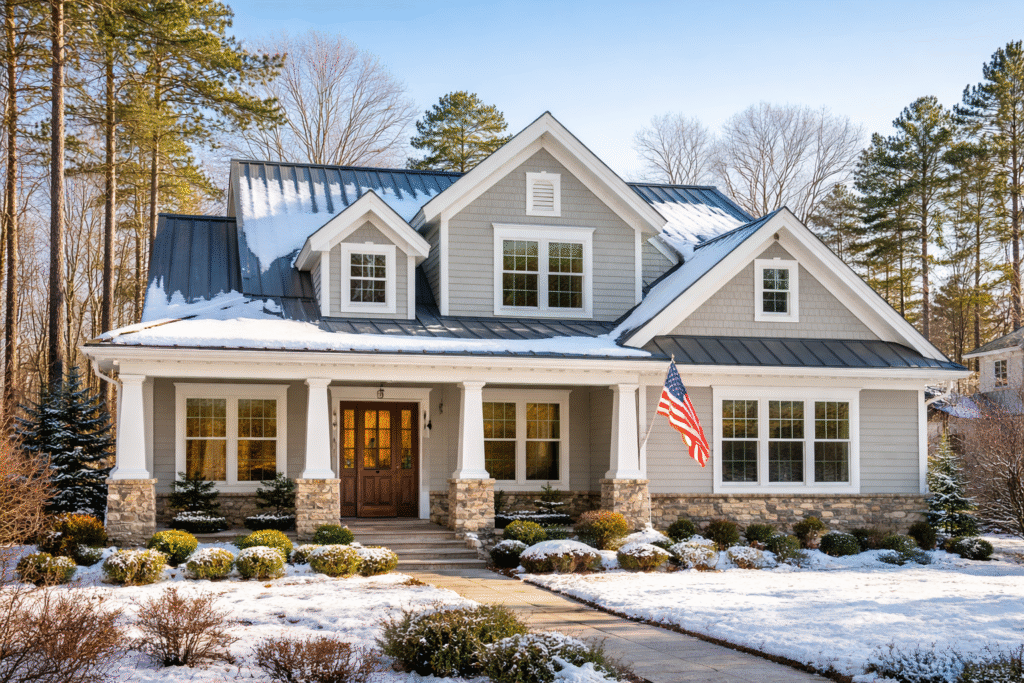
One of the biggest advantages of metal roofing in winter is its ability to shed snow quickly and efficiently. Unlike asphalt shingles, which can trap snow and ice, metal has a smooth, hard surface that allows snow to slide off naturally.
This reduces the risk of excessive snow accumulation, which can add thousands of pounds of weight to your roof. Heavy snow loads are a leading cause of roof damage and structural issues during winter. By shedding snow more easily, metal roofs help protect your home from unnecessary stress and costly repairs.
2. Ice Dams Are Far Less Likely
Ice dams occur when snow melts on the roof, refreezes at the eaves, and prevents proper drainage. This trapped water can back up under shingles and cause leaks, mold, and interior damage.
Metal roofing significantly reduces the likelihood of ice dams. Because metal roofs warm up and cool down more evenly, snow tends to slide off before it has time to melt and refreeze. Additionally, metal roofing systems are often installed with advanced underlayment and proper ventilation, further minimizing ice dam formation.
3. Exceptional Durability in Freezing Conditions
Winter weather is tough on roofing materials. Freeze-thaw cycles can cause asphalt shingles to crack, curl, or break apart over time. Metal roofs, on the other hand, are designed to handle extreme temperature fluctuations without losing their structural integrity.
High-quality metal roofing panels can withstand heavy snow, ice, sleet, and strong winter winds without warping or deteriorating. Many metal roofs are also impact-resistant, providing protection against falling ice, branches, and debris during winter storms.
4. Superior Wind Resistance During Winter Storms
Winter storms often bring strong, gusty winds along with snow and ice. Loose shingles can be torn off, exposing your home to water intrusion and further damage.
Metal roofs are engineered to resist high winds, often rated to withstand gusts of 120–140 mph or more, depending on the system. Standing seam metal roofs, in particular, feature interlocking panels that create a tight, secure seal. This added strength makes metal roofs an excellent choice for regions prone to winter storms and high winds.
5. Energy Efficiency in Cold Weather
Metal roofs aren’t just beneficial in summer—they also improve energy efficiency during winter months. When installed with proper insulation, metal roofing helps retain heat inside your home, reducing heat loss through the roof.
Some metal roofing systems include reflective coatings that work year-round, helping regulate indoor temperatures. This means your heating system doesn’t have to work as hard, potentially lowering your energy bills during the coldest months of the year.
6. Long Lifespan Means Fewer Winter Repairs
Few things are more inconvenient than dealing with roof repairs in freezing temperatures. Asphalt shingle roofs typically last 15–25 years and often require repairs due to winter damage.
Metal roofs, however, are known for their exceptional longevity. Most metal roofing systems last 40–70 years or more with minimal maintenance. That means fewer winter emergencies, fewer repair costs, and greater peace of mind year after year.
7. Fire and Moisture Resistance Adds Extra Protection
Winter weather can bring hidden risks beyond snow and ice. Moisture buildup, mold growth, and even fire hazards from ice-dam-related electrical issues can threaten your home.
Metal roofs are non-combustible and resistant to moisture penetration when properly installed. They do not absorb water, rot, or support mold growth like some traditional materials. This added layer of protection is especially valuable during long, wet winter seasons.
8. Environmentally Friendly and Sustainable
Many homeowners are also choosing metal roofing for its environmental benefits. Metal roofs are often made from recycled materials and are fully recyclable at the end of their lifespan.
Because they last significantly longer than asphalt roofs, fewer materials end up in landfills. Their energy efficiency also helps reduce overall energy consumption, making metal roofs a smart and sustainable choice for winter and beyond.
When it comes to protecting your home from winter weather, metal roofing stands above the rest. Its ability to shed snow, resist ice dams, withstand freezing temperatures, and handle strong winds makes it one of the most reliable roofing options available. Add in energy efficiency, longevity, and low maintenance, and it’s easy to see why metal roofs are a smart investment for homeowners in cold and unpredictable climates.
If you’re looking for a roof that will perform season after season—especially during winter—metal roofing delivers unmatched durability, safety, and value.