In an era where sustainability and eco-consciousness take center stage, the construction industry is embracing innovative solutions that reduce environmental footprints. Metal roofing is a shining example of this movement, offering more than just a durable and efficient roofing solution.
This blog delves into the environmental impact of metal roofing, shedding light on how this versatile material contributes to a greener future by minimizing waste, conserving energy, and fostering sustainability.
Reducing Landfill Waste
Longevity and Durability
Unlike traditional roofing materials that often require replacement every few decades, metal roofing boasts impressive longevity. Its durability allows it to withstand harsh weather conditions, UV radiation, and other external factors. By outlasting other roofing materials, metal roofing significantly reduces the frequency of replacement, thereby decreasing the waste destined for landfills.
Recyclability
One of the most striking eco-friendly attributes of metal roofing is its recyclability. At the end of its service life, metal roofing materials can be collected, processed, and repurposed into new products. This recycling process drastically reduces the demand for virgin materials, conserving natural resources and minimizing the environmental impact of mining and manufacturing.
Energy Efficiency and Resource Conservation
Reflective Coatings
The reflective properties of many metal roofing options contribute to energy efficiency in a tangible way. These reflective coatings bounce off a considerable portion of solar radiation, preventing excessive heat absorption. Consequently, buildings with metal roofing require less energy for cooling, leading to reduced reliance on air conditioning systems and, subsequently, lower energy consumption.
Cool Roofing
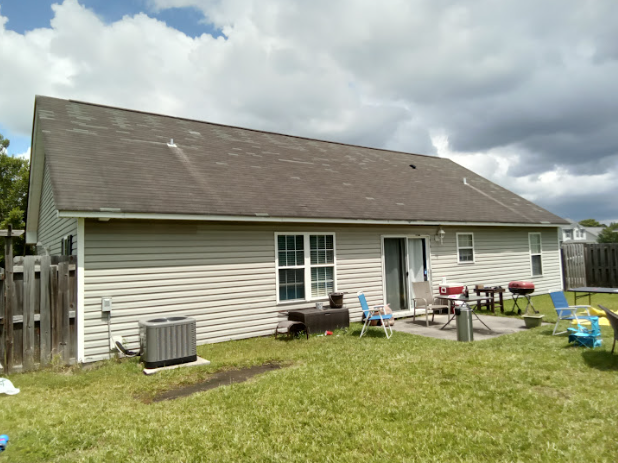
Metal roofing’s reflective capabilities extend to its ability to serve as a “cool roof.” Cool roofing materials reflect more sunlight and absorb less heat than traditional roofing materials. By maintaining lower temperatures on the roof’s surface, cool roofing contributes to mitigating the urban heat island effect—an environmental concern that contributes to higher local temperatures in urban areas.
Sustainable Practices and Green Building
Green Certifications
For businesses and organizations pursuing green building certifications, metal roofing can be a vital component. Many metal roofing products are compliant with energy-efficient and sustainable building standards such as LEED (Leadership in Energy and Environmental Design). By integrating metal roofing into their projects, architects, and developers can bolster their chances of achieving coveted green certifications.
Reduced Carbon Footprint
The manufacturing process of metal roofing generates fewer greenhouse gas emissions compared to the production of other roofing materials. Additionally, the energy savings facilitated by metal roofing further reduce a building’s overall carbon footprint. The cumulative impact of these factors contributes to a more sustainable and eco-friendly environment.
Hire the Best for Your Home
Explore how you can make environmentally sustainable choices for your home and reduce your contribution to the already depleting climate. Our roofing contractors have almost 30 years of experience to back them, so you know that our services are trustworthy.
Schedule your first consultationwith us, today!