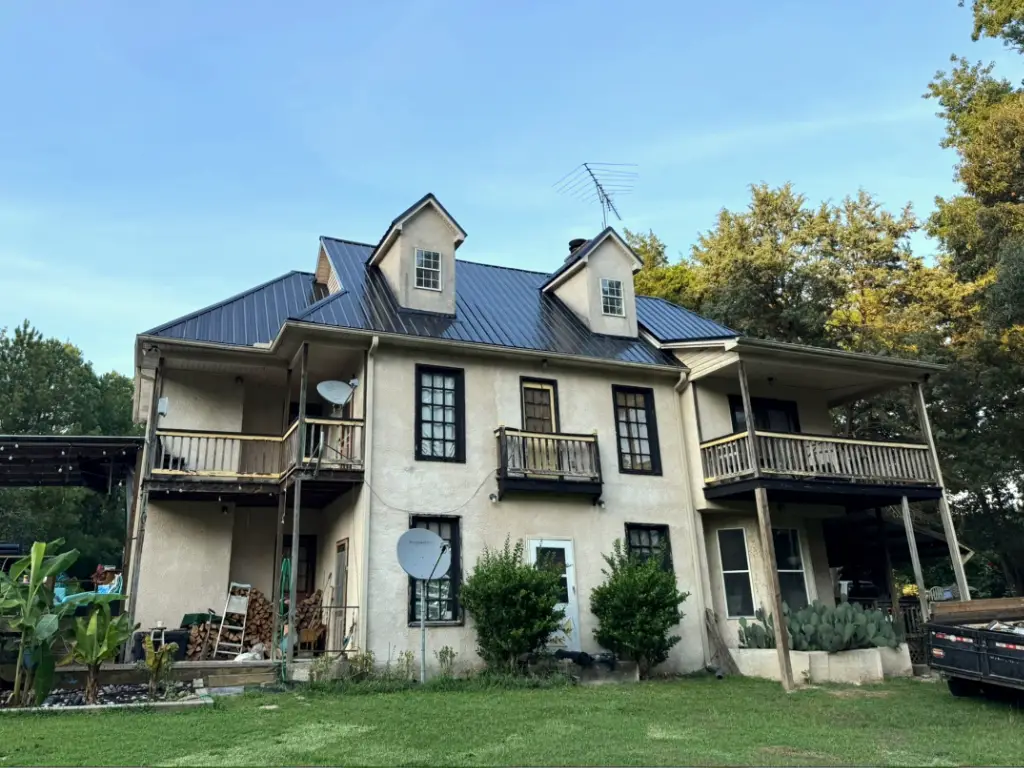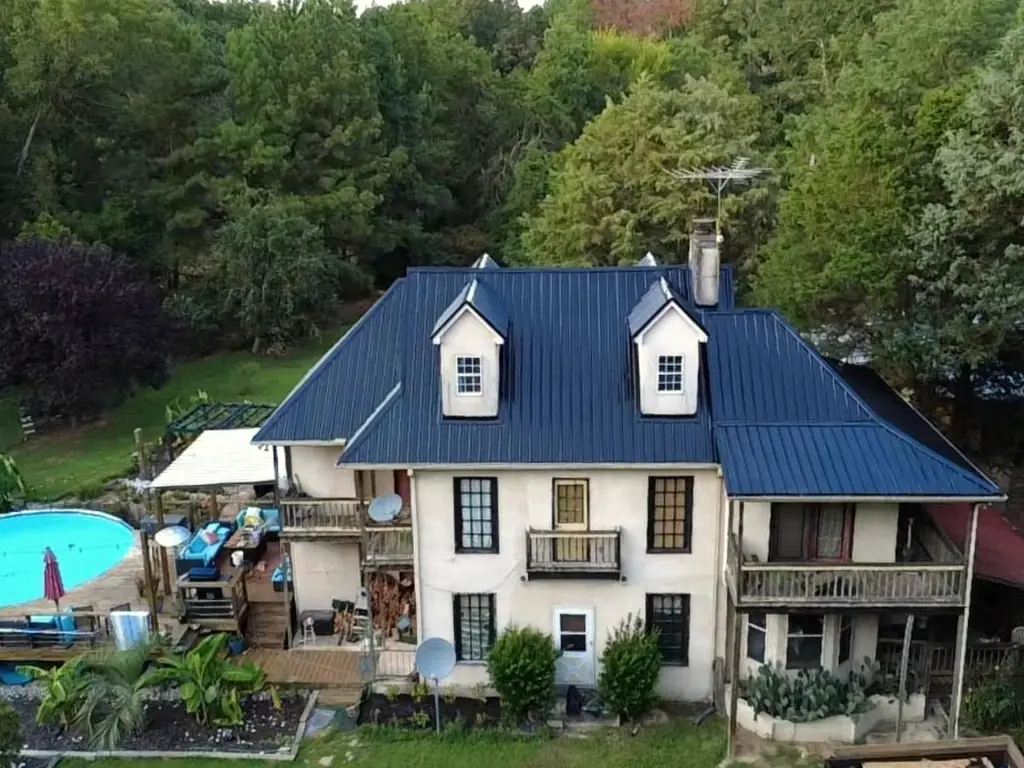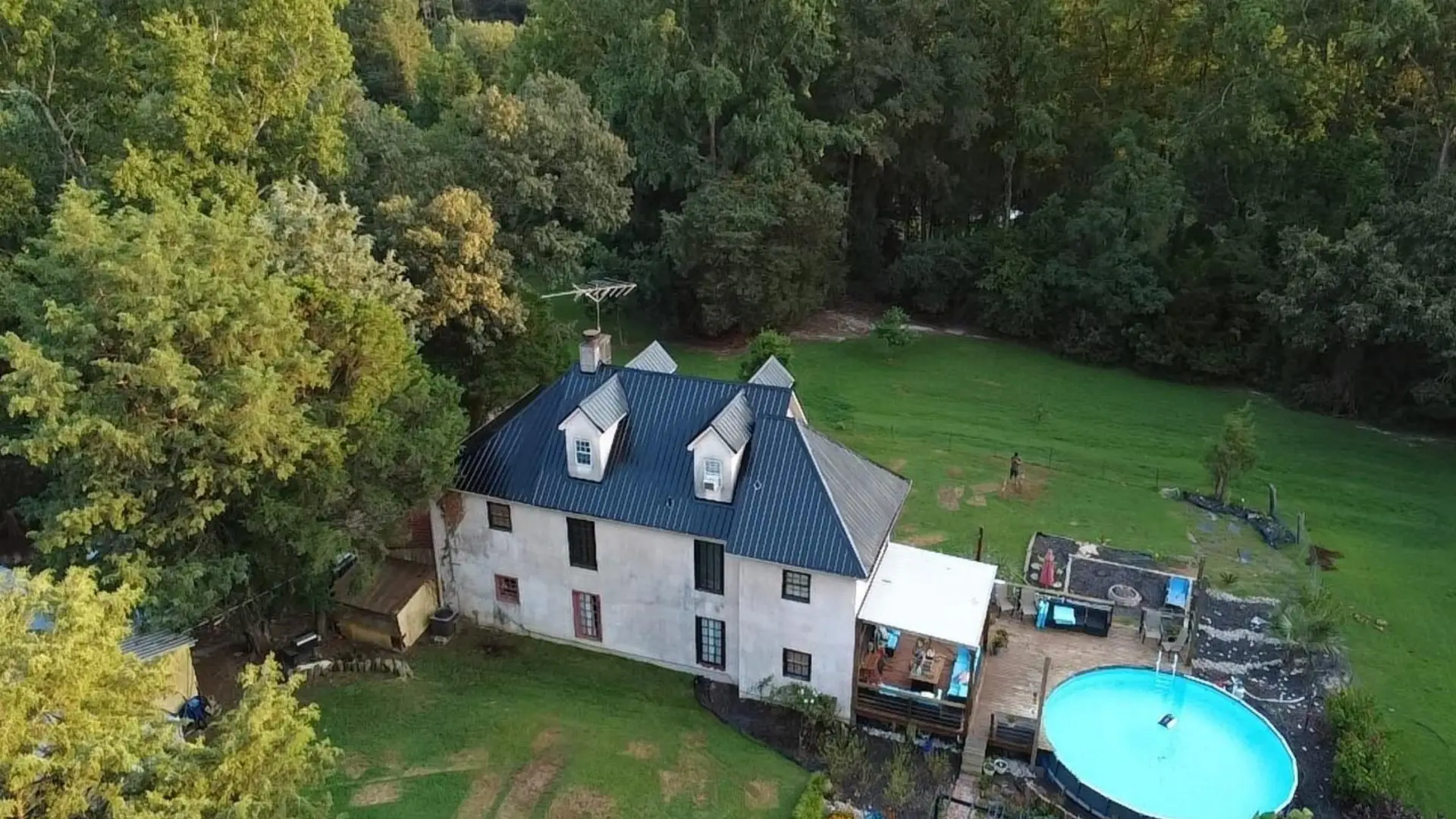
This case study shows how targeted roof repairs, moisture-proof underlayment, and careful metal roofing installation can protect a home for the long term. The project focused on solving existing roofing concerns while upgrading the residence with a durable, efficient black metal roof system.
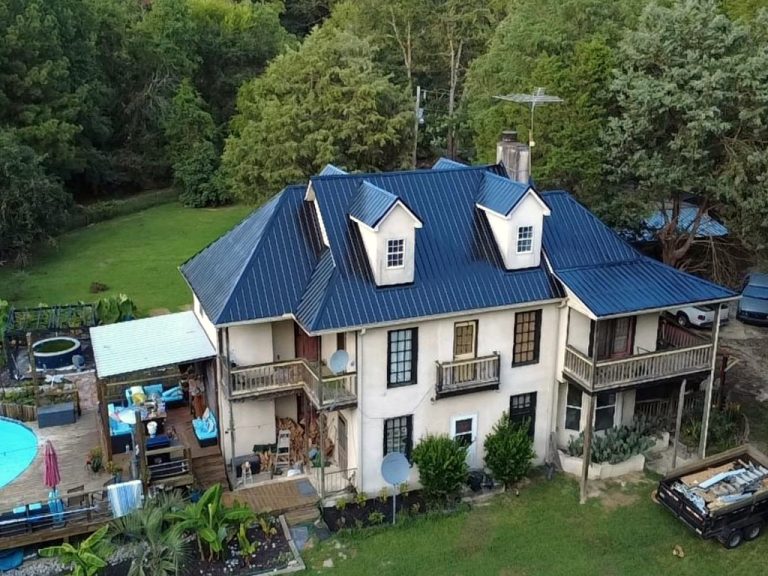
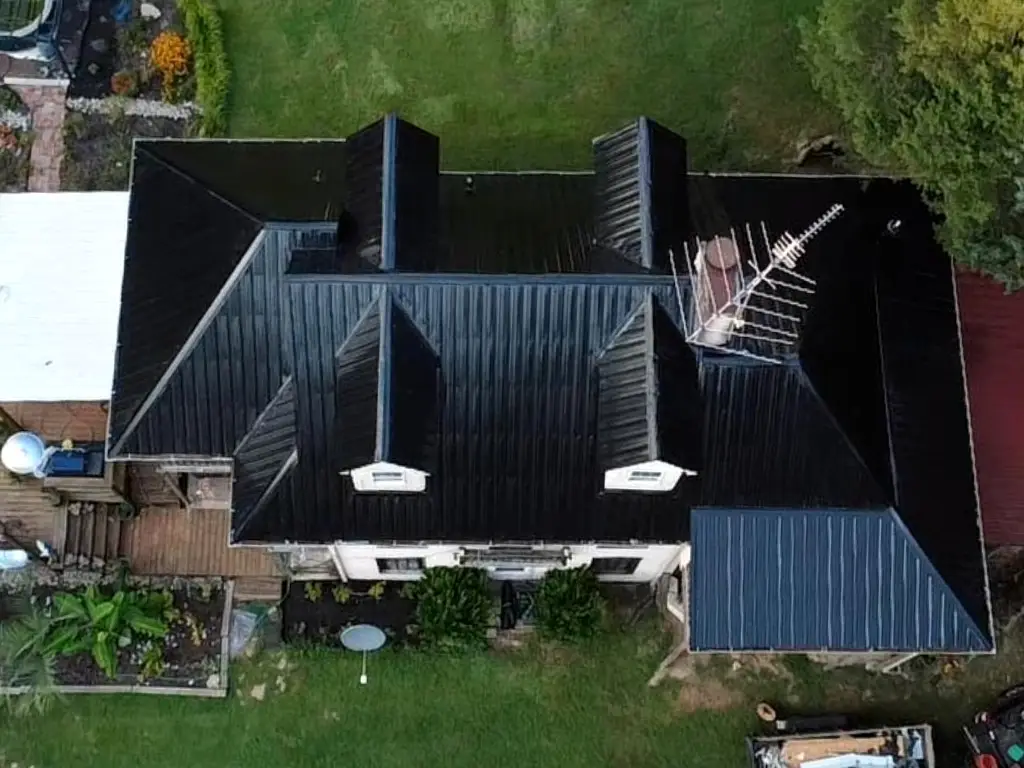
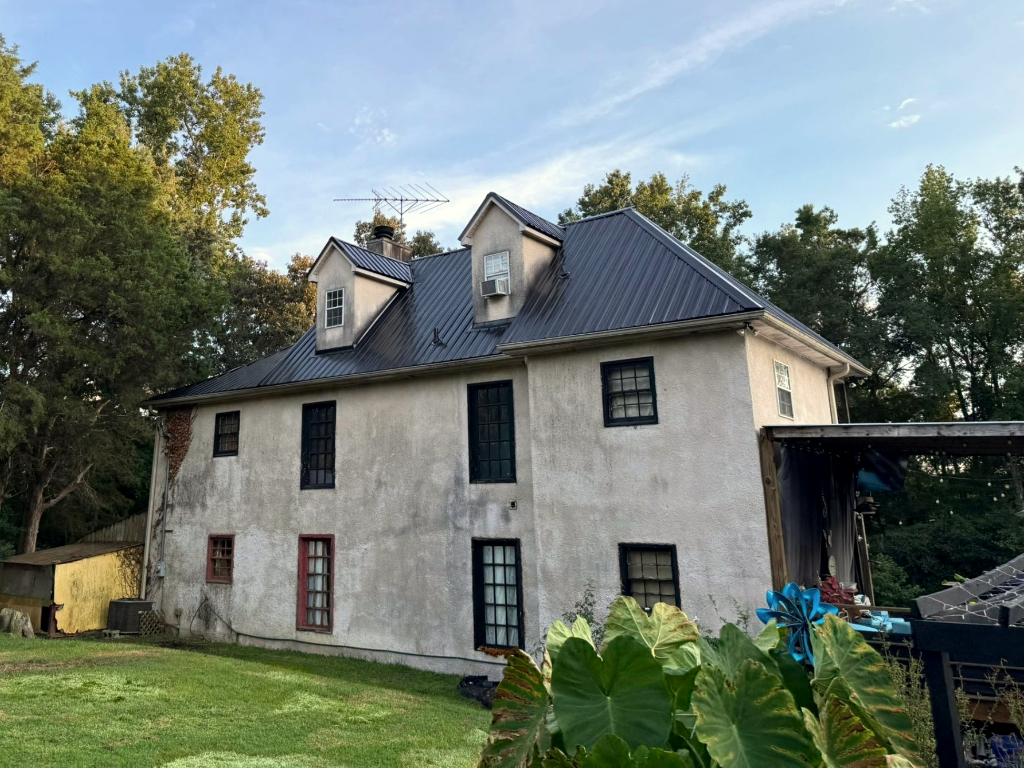
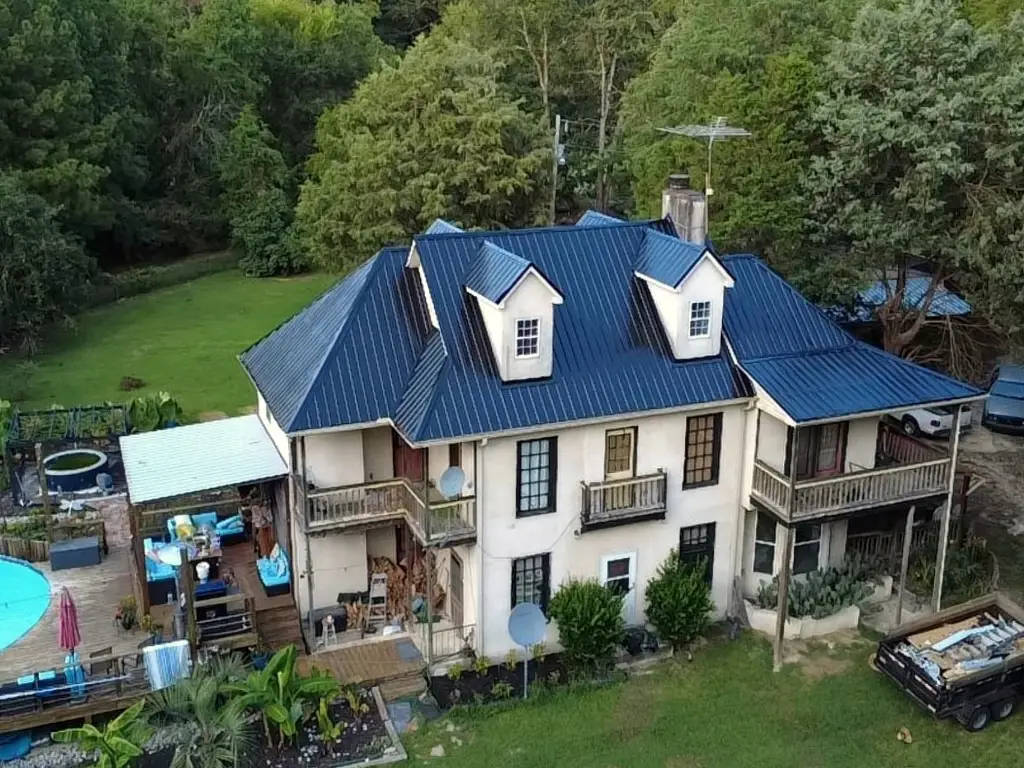
Gator Metal Roofing completed this project in Leesville, South Carolina for a 3-story stucco residence that needed both corrective roof work and a full roofing upgrade. Because stucco homes often have roof-to-wall transitions, penetrations, and flashing details that must be handled precisely, the team approached the job as more than a simple roof replacement. The goal was to repair vulnerable areas, improve moisture defense, and install a clean black ENERGY STAR rated metal roof.
What was the homeowner issue?
The homeowner needed dependable roof repairs before the new roofing system could be installed. Like many multi-story stucco homes, the residence had areas where water management depended on strong flashing, sealed penetrations, and proper underlayment coverage. Rather than cover old issues with new panels, Gator Metal Roofing first identified the conditions that could affect long-term performance.
Inspection findings
During inspection, the team reviewed the roof surface, roof edges, wall intersections, and common penetration points. Particular attention went to places where the roof met the stucco exterior, since these intersections can collect wind-driven rain if flashing is incomplete, aged, or poorly integrated. The inspection helped define a practical scope: repair compromised areas, reinforce moisture protection, and prepare the structure for metal roofing installation.
Scope of work
The approved work included three core steps:
- Roof repairs: Addressing damaged or vulnerable roofing areas before the new system was installed.
- Moisture-proof underlayment: Adding a protective layer designed to help defend the roof deck from water intrusion.
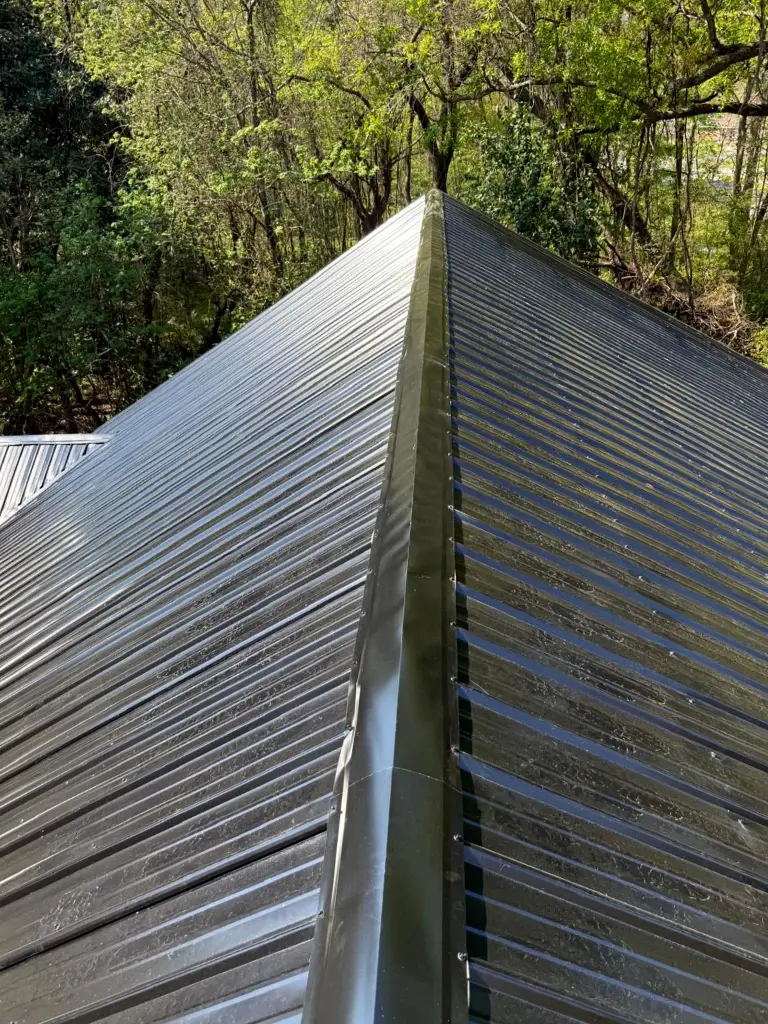
- Black ENERGY STAR rated metal roofing installation: Installing a finished metal roof that combined a bold appearance with energy-conscious performance.
This approach created a stronger foundation for the new roof and reduced the chance of hidden weaknesses remaining beneath the finished surface.
Timeline
The project was organized in a logical sequence: inspection, preparation, roof repairs, underlayment installation, metal panel placement, detail work, and cleanup. Working in stages allowed the crew to confirm that each layer was ready before the next one went on. For a 3-story stucco residence, that sequencing is especially important because access, safety, and weather protection all require extra care.
Workmanship details
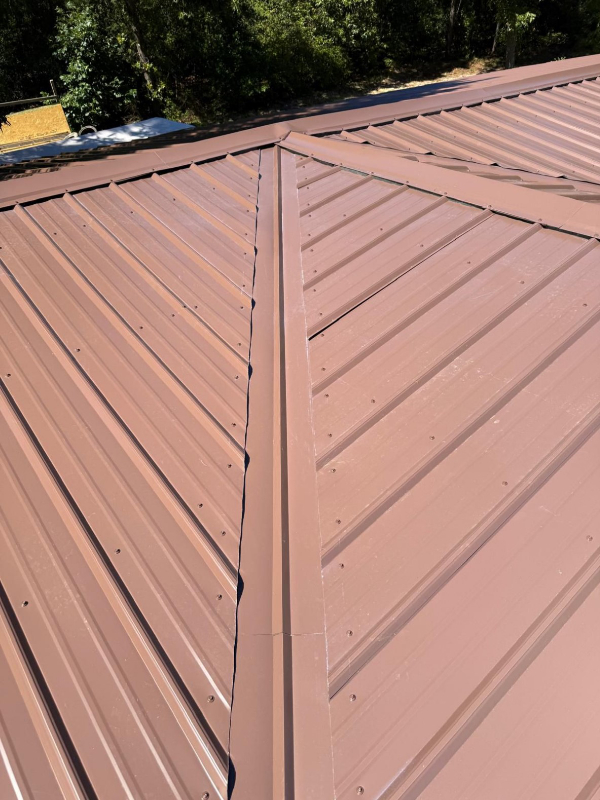
Flashing and penetrations were the key workmanship priorities. Around stucco intersections, Gator Metal Roofing focused on tight transitions where the metal roof met vertical wall surfaces. Penetrations were handled carefully so vents, edges, and roof breaks were properly integrated into the system instead of becoming weak points.
Site protection and cleanup
The crew protected the property during tear-off, repair, and installation. Debris was controlled throughout the job, and cleanup was completed so the home exterior and surrounding areas were left orderly. That attention matters on stucco homes, where care around walls, landscaping, and access points helps prevent avoidable damage.
Results and benefits
The finished roof gave the Leesville home a sharper exterior profile and improved protection against moisture. The black ENERGY STAR rated metal roofing added curb appeal while supporting a more efficient roofing choice. Most importantly, the system was installed over repaired areas with moisture-proof underlayment and careful detailing at stucco intersections.
If you are considering roof repairs or a metal roofing installation for your home, contact Gator Metal Roofing to ask about options for your property.